Targeted Pain Relief
 Health Monitoring
 Bye-Bye Itch
 Rest, Relax, Recharge
 Skin Rejuvenation
 Seasonal Relief
 Muscle Relaxation
 Brighten Your Mood
 Kids Wellness & Baby Care
 Fitness Tracking
 Beauty Care
 Feminine Care
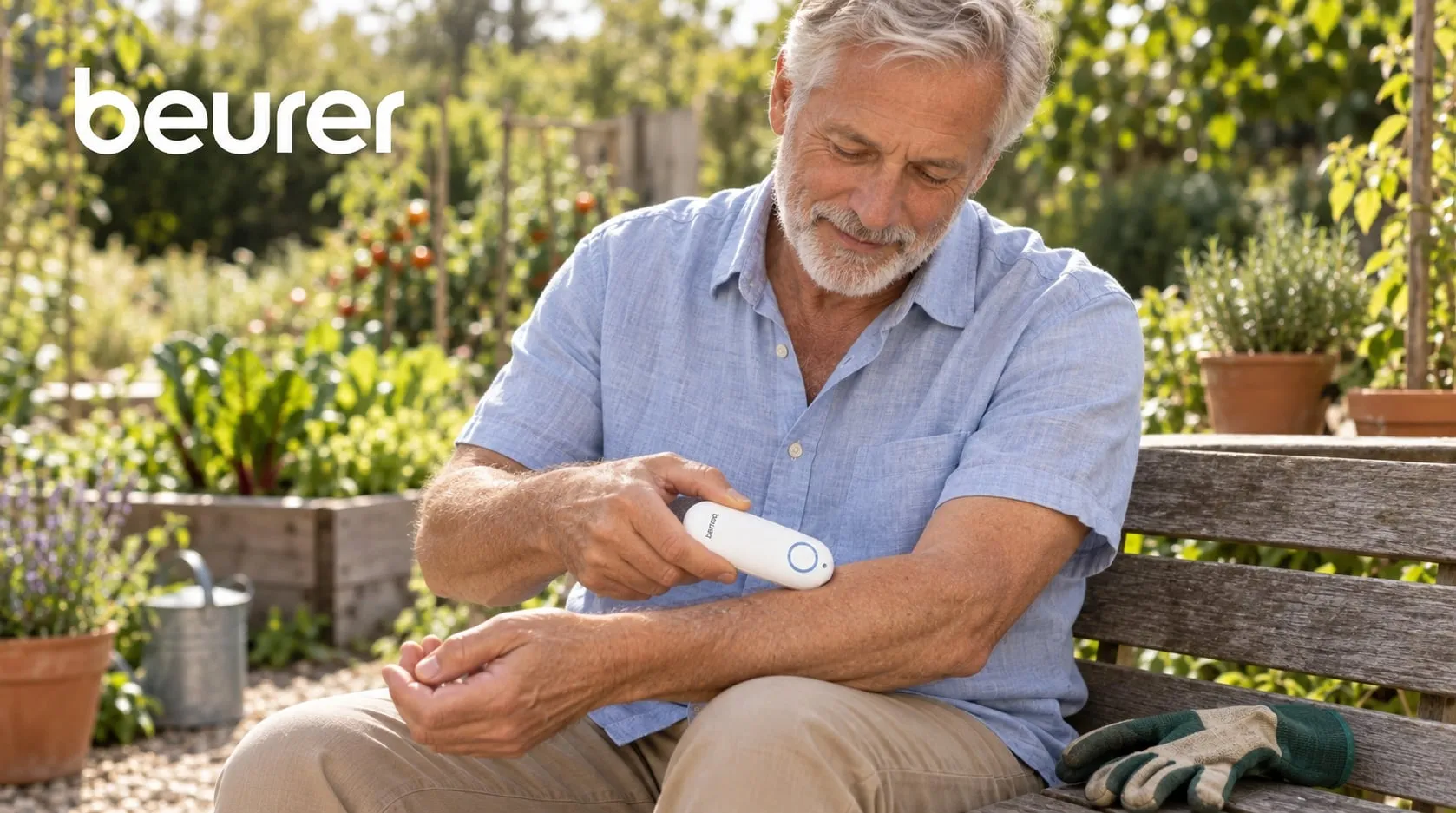
Bite Relief for Gardening Every Day: What to Keep in Your Pocket
Compare bite relief for daily gardening: home remedies, anti-itch creams and concentrated heat devices, plus prevention and when a bite needs a doctor.
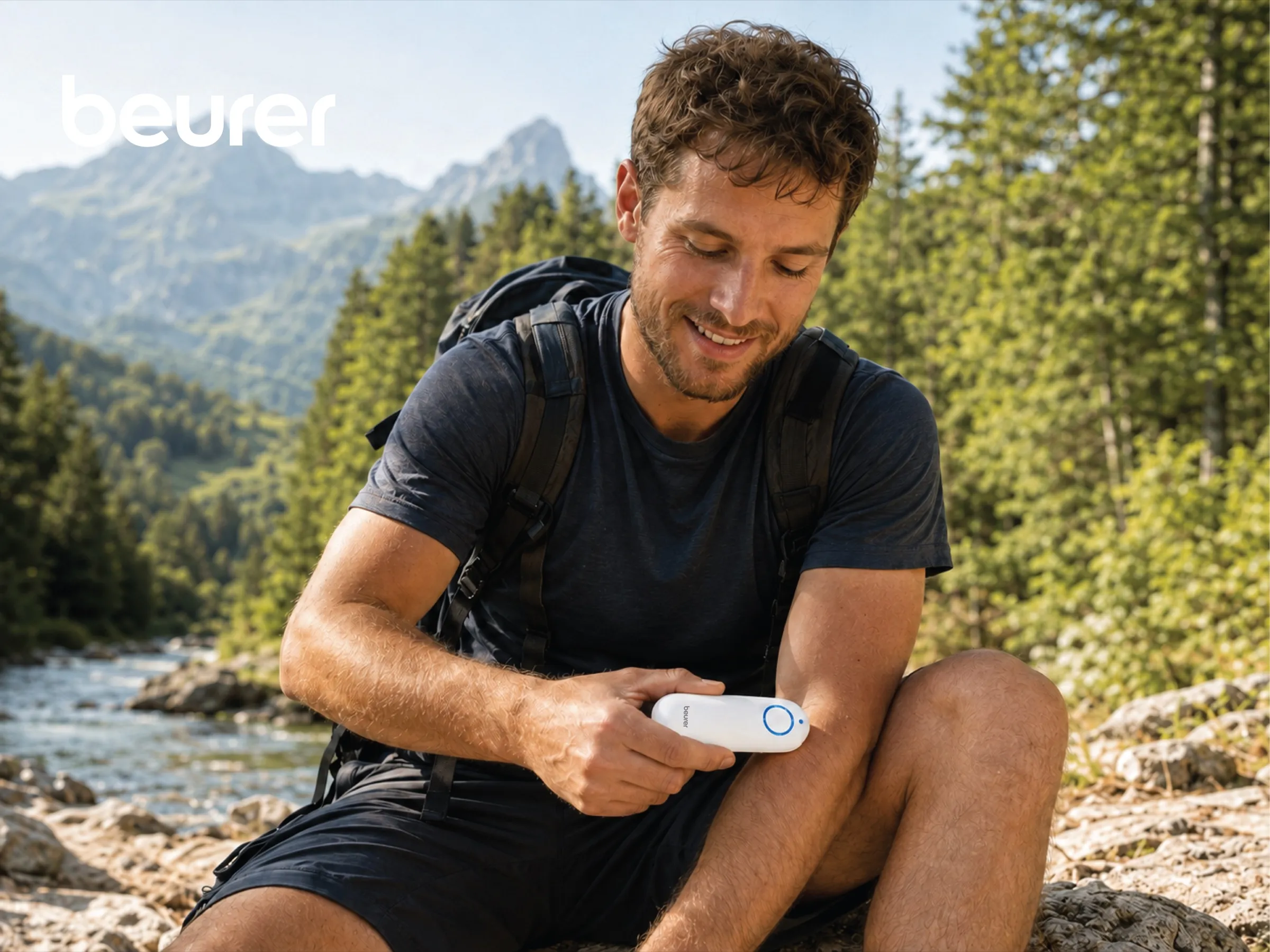
Backpackers and long-distance hikers understand that every ounce carried in a pack directly impacts comfort, endurance, and physical strain on the trail. In the ultralight hiking community, maintaining a base pack weight under 15 lbs is a common standard for three-season wilderness excursions. This threshold requires meticulous gear selection, where every piece of equipment, from the shelter system to the first-aid kit, undergoes strict scrutiny. When planning multi-day trips, hikers weigh necessity against physical burden, evaluating whether an item earns its place in their pack.
Traditional first-aid kits often suffer from creep, expanding with liquid ointments, topical gels, and single-use bandages that add bulk and weight. While addressing minor trail injuries is essential, carrying bulky or expiring supplies can compromise pack efficiency. Optimizing trail health management requires lightweight, compact solutions like the Beurer Insect Bite Healer BR60 that deliver reliable results without overloading your gear list.
Managing non-essential weight allows hikers to travel further with less fatigue, supporting overall physical energy and outdoor performance. Selecting compact personal wellness devices that provide rapid relief from common trail annoyances helps maintain focus on the trek without adding burdensome grams.
Pervasive insect activity is one of the most persistent challenges encountered on backcountry trails, particularly near lakes, streams, and damp forest basins. Worldwide, there are over 3,500 species and subspecies of mosquitoes belonging to 42 distinct genera[1]. Only a small share of them feed on people, but the ones that do pose an ongoing disruption to outdoor enthusiasts during peak activity seasons.
The biological mechanism behind a mosquito bite involves female mosquitoes piercing the skin to feed on blood, since they need the protein in blood to develop their eggs. During feeding, the mosquito deposits saliva in the skin, and the reaction to that saliva is what drives the itch response[2]. Histamine is thought to be a key player, either from the saliva itself or through activation of mast cells, producing persistent itching, redness, and localized swelling[1]. On the trail, intense pruritus can break concentration during daytime treks and cause severe sleep disruption at night, leaving backpackers fatigued and vulnerable to secondary skin infections from scratching.
For backpackers spending consecutive nights in the backcountry, unmanaged bite reactions can turn a rewarding trek into an uncomfortable ordeal. Maintaining a clear protocol for bite relief is a key component of trail prep. Note: Always consult a healthcare professional if you experience severe symptoms or suspect a skin infection.
While a standard mosquito bite produces a small, temporary welt, some individuals experience a far more pronounced localized allergic reaction known as Skeeter syndrome[3]. This condition is characterized by extensive inflammatory swellings accompanied by significant redness, warmth, itching, and localized pain[3]. For outdoor preppers and backpackers navigating remote trails, understanding Skeeter syndrome is vital for distinguishing typical insect reactions from complications that require clinical evaluation.
Symptoms of Skeeter syndrome typically emerge 8 to 10 hours following the bite, as the immune system mounts a heightened response to specific proteins in mosquito saliva[3]. Without targeted management, these large inflammatory reactions can persist for 3 to 10 days, causing substantial discomfort and restriction of movement if localized around joints[3]. In remote wilderness settings where medical facilities are hours or days away, controlling localized inflammation quickly prevents severe discomfort and protects skin integrity.
Hikers who know they are susceptible to pronounced local bite reactions must carry reliable, fast-acting management tools in their first-aid kit. Promptly addressing localized bite symptoms helps prevent excessive scratching, which can otherwise compromise skin barrier function. If symptoms include difficulty breathing, facial swelling, or spreading redness, seek emergency medical attention immediately.
Backpackers evaluating bite relief options often choose between traditional topical anti-itch creams and compact concentrated heat devices. Standard care for mosquito bite reactions leans on antihistamines and corticosteroid creams, which dampen inflammatory signalling or block histamine binding sites[2]. The usual at-home options are much the same, from hydrocortisone cream and calamine lotion to oral antihistamines and improvised remedies such as a baking soda paste[4]. However, carrying liquid or cream formulations into the wilderness presents distinct drawbacks: tubes can leak, creams require reapplication after sweating or rain, and topical containers add recurring weight and chemical shelf-life constraints to your kit.
In contrast, insect bite healers-such as the ultralight Beurer BR60-use concentrated local heat to alter nerve signalling at the bite site and soothe itchy skin without chemical additives: clinical studies have shown decreased itch after repeated noxious heat, an effect attributed to activation of the TRPV1 channel and downstream inhibition of itch-carrying C-fibres[1]. TRPV1 itself behaves like a molecular thermometer, with its inward current rising abruptly at around 43 degrees Celsius[5]. For hikers focused on gear efficiency, a single small electronic bite healer provides hundreds of applications without liquid leaks, mess, or sticky residue on technical trail apparel.
| Feature | Topical Anti-Itch Creams | Beurer Insect Bite Healer BR60 |
|---|---|---|
| Form Factor | Liquid / tube packaging | Compact electronic device |
| Action Mechanism | Chemical histamine or hydrocortisone absorption | Targeted local thermal energy application |
| Trail Usability | Risk of leaking; reapplication after sweat/water | Clean application; unaffected by rain or sweat |
| Reusable Lifetime | Single-use tubes with expiration dates | Reusable across multiple seasons and trips |
Choosing a heat-based solution eliminates the need to pack multiple tubes of topical ointments for long trips, streamlining your pack profile. This physical simplicity aligns directly with ultralight backpacking principles, replacing messy consumables with reliable, repeatable hardware.
The clinical efficacy of concentrated heat for treating insect bites has been demonstrated in real-world clinical research. In a large real-world study analysing over 12,000 treated insect bites generated by approximately 1,750 participants, researchers tracked how quickly symptoms fell after localized heat application. The findings showed significant inhibition of itch and pain for every insect species investigated, including mosquitoes, horseflies, bees, and wasps.
Specifically, mosquito bite-induced itch was reduced by 57% within the first minute following concentrated heat application. When measured 5 to 10 minutes post-treatment, itch intensity decreased by 81%. This rapid reduction offers immediate relief compared to untreated bites, allowing backpackers to quickly return their attention to navigating the trail or relaxing at camp.
For backpackers managing bite symptoms in remote areas, achieving an 81% reduction in itch within 10 minutes offers clear physiological and psychological benefits. Fast relief eliminates the persistent urge to scratch, preserving skin integrity and helping hikers avoid trail-acquired skin irritation during multi-day trips.
Beyond addressing persistent itching, concentrated thermal therapy also helps manage localized pain and sting discomfort on the trail[6]. In addition to mosquito bites, backpackers often encounter stinging insects such as bees, wasps, and horseflies. In a prospective cohort study of 146 volunteers examining concentrated heat after insect bites and stings, participants reported rapid symptom relief across visual analog scale (VAS) measurements for swelling, pain, and pruritus[6].
In the cohort study, participants recorded a median VAS pain score of 6 prior to treatment[6]. Within 2 minutes following concentrated heat administration, the median pain score dropped to 2[6]. By 5 minutes, the pain score decreased to 1, and by 10 minutes post-application, the median pain score reached 0, indicating complete resolution of pain[6]. Similarly, median pruritus scores dropped from 5 before treatment down to 0 at 5 and 10 minutes post-application[6].
Achieving total relief from bite pain and itching within 10 minutes confirms that localized heat is an effective, non-pharmacological option for first-aid kits[6]. Rather than packing separate analgesics or topical creams for stings, a single compact bite healer addresses both pain and pruritus without adding measurable weight to your pack.
For outdoor preppers, ultralight backpackers, and wilderness travelers, gear selection always comes down to balancing utility against pack weight. When evaluating whether a bite healer justifies its footprint in a 15 lbs base pack weight budget, the evidence clearly supports its inclusion. Replacing leaking tubes, expiring creams, and sticky gels with a tiny, chemical-free heat device optimizes first-aid storage while providing fast, clinically documented relief on the trail[6].
Family-owned German health technology, built over more than a century, combines that heritage with thoughtful, modern design to support an active lifestyle. Compact health solutions are crafted to make wellness simple, reliable, and accessible wherever your adventures lead.
Outdoor enthusiasts seeking lightweight bite relief can choose targeted devices such as the Beurer BR60 or the ultralight clip-on Beurer BR10. These chemical-free bite healers deliver precise local heat therapy in seconds, featuring dual program settings for normal or sensitive skin. Both compact units fit easily into any pocket or first-aid pouch, helping you maintain a clean, organized pack while staying prepared for insect encounters. You can also explore our range of FSA/HSA-eligible products to check if your purchase qualifies for pre-tax healthcare funds.
Investing in a compact, reusable bite healer ensures fast, mess-free relief whenever insects strike, keeping your pack light and your focus on the trail. healthy. life. style.
Backpackers often aim for a base pack weight of 15 lbs for three-season trips. This benchmark maximizes mobility without sacrificing key comfort gear, but it means every single ounce, including first-aid items, is heavily scrutinized.
Research indicates that applying concentrated heat to a mosquito bite can reduce itch by 57 percent within the first minute, and up to 81 percent after 5 to 10 minutes of application.
Female mosquitoes inject saliva containing proteins into the skin when they bite. There are over 3,500 mosquito species globally, and your immune system reacts to their saliva proteins, causing local inflammation, redness, and severe itching.
Skeeter syndrome is an extreme inflammatory allergic reaction to mosquito saliva. Symptoms like large swollen lumps, pain, and redness typically appear 8 to 10 hours after the bite and can last for 3 to 10 days if left untreated.
Yes. A prospective cohort study found that treating bites with concentrated heat effectively reduced the median pain score from a 6 down to a 0 within 10 minutes of application, making it a powerful tool for outdoor enthusiasts.
Compare bite relief for daily gardening: home remedies, anti-itch creams and concentrated heat devices, plus prevention and when a bite needs a doctor.
Bite healer vs essential oils for bug bites: the evidence, dilution rules, pregnancy safety and speed behind each drug-free option.
Compare the Beurer BR10, BR60 and BR90 insect bite healers on price, settings and features, and find which heat pen fits your bites and budget.
Beurer's customer care team supports customers across the USA and Canada and can help you choose and set up your device.