Targeted Pain Relief
 Health Monitoring
 Bye-Bye Itch
 Rest, Relax, Recharge
 Skin Rejuvenation
 Seasonal Relief
 Muscle Relaxation
 Brighten Your Mood
 Kids Wellness & Baby Care
 Fitness Tracking
 Beauty Care
 Feminine Care
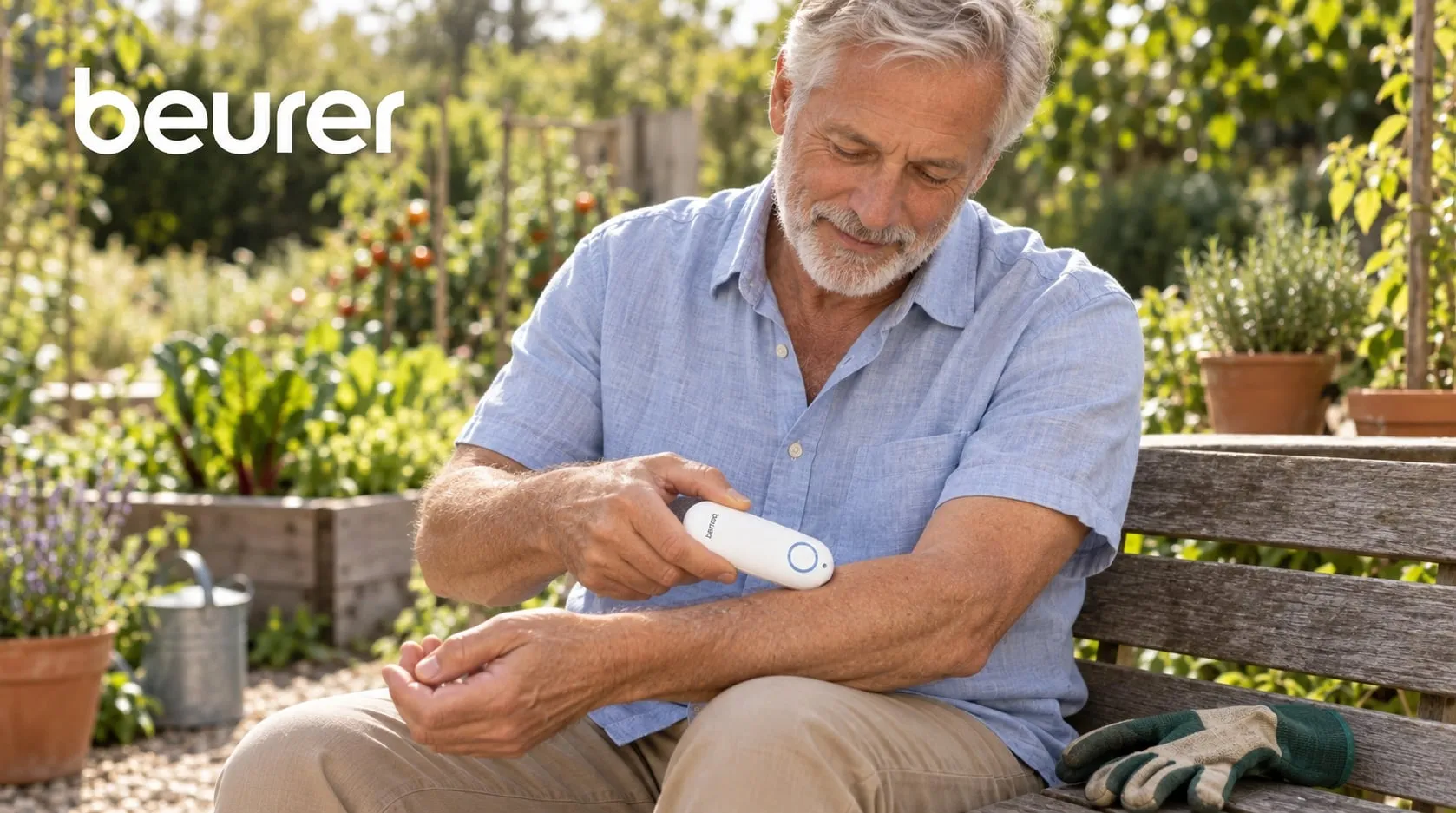
Bite Relief for Gardening Every Day: What to Keep in Your Pocket
Compare bite relief for daily gardening: home remedies, anti-itch creams and concentrated heat devices, plus prevention and when a bite needs a doctor.
When a mosquito feeds, it pierces the skin and injects saliva containing specialized proteins that prevent blood clotting. For most people, this results in a minor, temporary bump. However, individuals with a severe sensitivity experience an exaggerated local immune response known as Skeeter Syndrome, an inflammatory overreaction to proteins in mosquito saliva. In these cases, immunoglobulin E (IgE) antibodies primed against salivary proteins cause mast cells in the skin to activate when they encounter mosquito saliva protein[1].
Once triggered, allergy cells called mast cells release a chemical like histamine into the surrounding tissue, which causes the redness, swelling, warmth and itching around the bite; in Skeeter Syndrome these reactions are amplified[1]. While this cascade creates dramatic swelling, intense itching and localized redness, the salivary proteins tend to stay in the skin, so the reaction remains a large local one at the bite site[1]. Body-wide allergic reactions to mosquito bites are extremely rare, and anaphylaxis has been reported only very rarely[2].
Always consult a qualified healthcare professional or allergist if you or your partner experience unusual symptoms, rapid swelling near the face or neck, or signs of a secondary bacterial infection.
Distinguishing a standard mosquito bite from Skeeter Syndrome is essential for choosing appropriate care strategies. A typical bite produces immediate swelling and redness that peaks after about 20 minutes, followed by small itchy bumps usually less than 2 centimetres (about three quarters of an inch) across that disappear within a few days[3]. In contrast, an allergic response triggers welts that can swell from 2 to 10 centimetres in diameter (up to about 4 inches) within an hour of the bite and progress over the next several days[3].
Symptoms usually start around eight to 10 hours after the bite, presenting as a swollen region that feels warm to the touch and looks intensely red[2]. In pronounced cases, large areas of swelling develop, blisters can form and last up to a week, and rarely a fever appears alongside the local reaction[2]. Unlike mild bites that settle quickly, Skeeter Syndrome reactions usually get better within three to 10 days, causing discomfort and localized skin tightness in the meantime[2].
Foundational management for mosquito bite allergies focuses on controlling the underlying inflammatory response and minimizing scratch-induced skin injury. Physical cooling measures provide immediate temporary comfort. Applying a cold compress or an ice pack wrapped in a cloth reduces local blood circulation, temporarily numbing sensory nerve endings and calming acute burning sensations. Applying direct pressure for 10 seconds or applying ice for 30 seconds can offer brief relief during peak itch moments.
Over-the-counter topical treatments help manage surface irritation. Applying one percent hydrocortisone cream or calamine lotion directly to the bite site soothes local tissue inflammation and calms redness. For more pronounced itching or widespread bites, oral antihistamines such as cetirizine, loratadine, or fexofenadine work internally by blocking histamine receptors, reducing overall allergic intensity.
Suction tools have become popular non-chemical options for outdoor bite management. These pocket-sized tools utilize a pump mechanism designed to create a localized vacuum directly over the bite mark. To operate the tool, the user places the suction cap flat against the skin, pulls up on the handles to generate negative pressure, holds the suction in place for 10 to 20 seconds, and depresses the handles to release. The intended goal is to physically draw out residual insect saliva deposited in skin tissue.
Medical and entomological experts highlight important practical considerations regarding manual suction. Manufacturer recommendations state that suction tools provide optimal results when applied within two minutes of receiving a bite. However, entomologists explain that human immune pathways trigger histamine release almost instantaneously upon skin puncture. Once histamine release has begun, physical suction may offer limited benefit for severe allergic swelling. Additionally, dermatologists advise against using suction tools on sensitive facial or neck areas, or on thin, fragile skin.
Thermal bite devices offer a distinct physical mechanism for managing intense post-bite irritation without chemical additives. Instead of attempting fluid removal through suction, compact thermal devices apply precise, controlled warmth directly to the affected skin. Research on thermal relief demonstrates that targeted warmth activates specific heat-sensitive nerve receptors in skin tissue, helping interrupt itch signal transmission to the brain and soothing burning sensations.
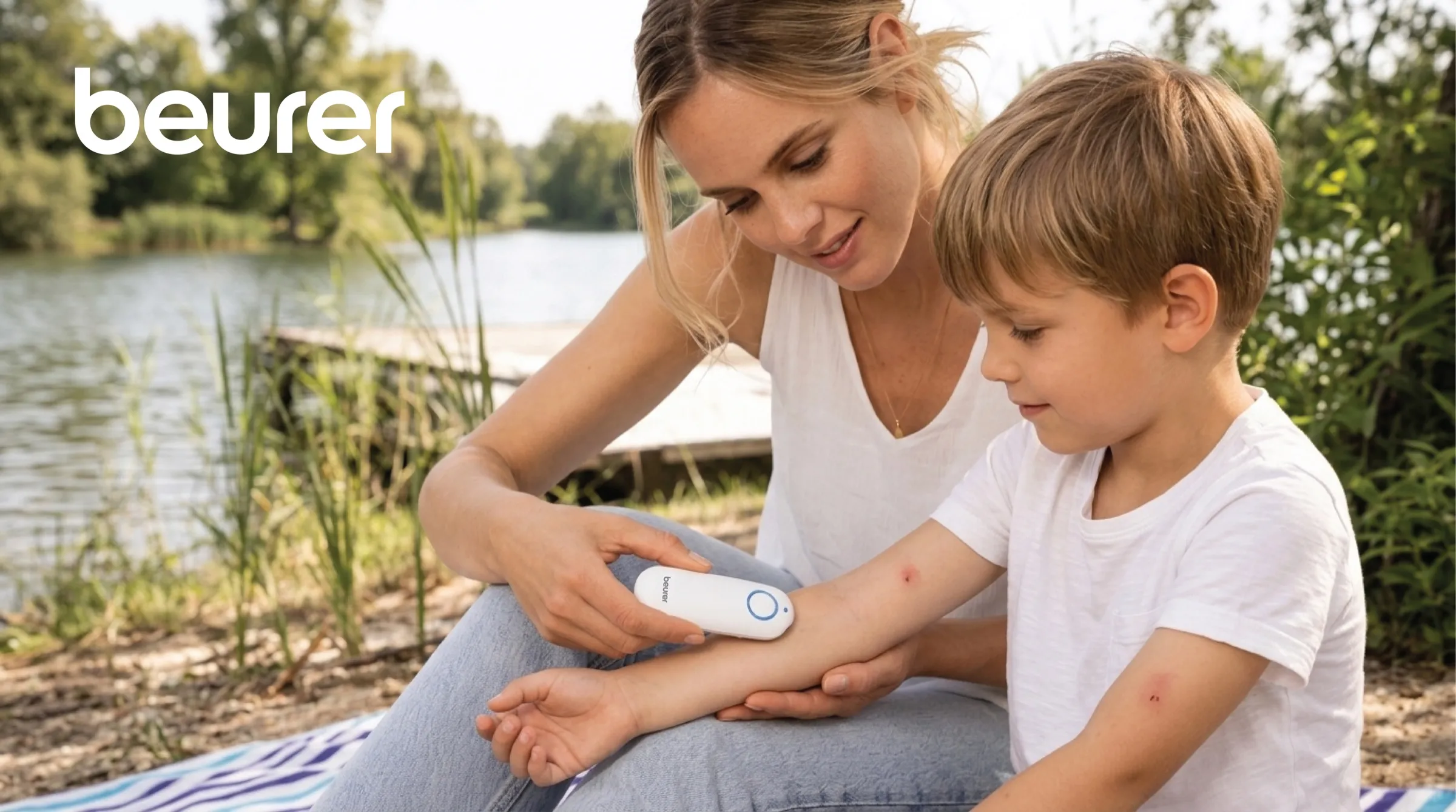
For severe reactors, specific thermal tools like the Beurer Insect Bite Healer BR60 provide targeted comfort that remains useful even if several minutes or hours have passed since the bite occurred. The device works by delivering a quick, focused heat pulse through a small ceramic contact plate directly to the bite site. It features dual time settings-a three-second application for sensitive skin and a six-second option for regular relief-and offers up to 300 battery-powered applications. This targeted warmth calms localized itching sensations and provides drug-free relief without messy creams or greasy residues. Its compact, solid-state design makes the BR60 convenient to carry during outdoor trips, sports activities, or travel.
Selecting the right bite device for outdoor use involves evaluating practical day-to-day factors, including cleaning, hygiene, and device construction. Suction tools feature a multi-part plastic body consisting of a main pump barrel and a removable suction cap. Sanitizing a suction tool requires detaching the cap to wash it with warm, soapy water or wiping it with alcohol, while ensuring the pump chamber remains completely dry to protect internal seals.
In contrast, heat therapy pens feature a solid-state exterior with a smooth ceramic or metallic contact plate. Cleaning a heat pen involves wiping the flat contact plate with an alcohol swab or clean damp cloth after use. Because thermal devices lack open air chambers or internal suction channels, maintaining hygiene across multiple family members is straightforward.
| Feature Category | Manual Suction Tools | Heat Therapy Devices |
|---|---|---|
| Primary Mechanism | Manual vacuum suction to pull saliva | Targeted thermal heat application |
| Ideal Application Window | Within 2 minutes of bite | Anytime after bite detection |
| Hygiene & Maintenance | Wash removable cap; keep pump dry | Wipe flat contact plate with alcohol |
| Skin & Area Restrictions | Avoid facial, neck, or fragile skin | Avoid open wounds and mucous membranes |
For individuals managing severe mosquito bite reactions, relying on a single device is rarely enough. A proactive outdoor strategy combines effective prevention with fast-acting mechanical relief tools. Applying EPA-registered insect repellents containing six to 25 percent DEET provides two to six hours of reliable barrier protection against mosquito contacts. Wearing protective clothing during peak dusk and dawn hours further minimizes skin exposure.
When a bite does occur, having immediate access to a physical relief device, such as a compact heat pen or suction tool, allows you to address localized itching right away. Pairing physical devices with over-the-counter topical hydrocortisone or oral antihistamines provides comprehensive management for Skeeter Syndrome symptoms. Exploring FSA/HSA-eligible health items and wellness devices helps families create an outdoor care kit tailored to their active routines.
As a family-owned German company delivering Quality since 1919, Beurer provides thoughtful health technology designed to support your daily well-being. Keeping a device like the Beurer Insect Bite Healer BR60 in your bag offers fast, chemical-free thermal comfort, helping you manage unexpected outdoor bites with confidence. By accompanying you on your journey to a healthier lifestyle, our goal is to help every family enjoy time outdoors with ease and comfort.
Skeeter syndrome is a large local allergic reaction to the proteins in mosquito saliva. Instead of a mild itch, individuals experience significant inflammation, redness, and swelling that can extend several centimetres and feel warm to the touch. It is caused by an immune response in which mast cells in the skin release histamine.
A severe allergy is marked by exaggerated symptoms that go beyond a typical small bump. Welts can swell from two to ten centimetres in diameter, up to about four inches, within an hour of the bite. The bites may also develop blisters, become intensely painful, and take three to ten days to settle.
The Beurer Insect Bite Healer BR60 applies concentrated warmth directly to the bite site to help reduce itching and swelling in seconds. It features dual time settings-a three-second application for sensitive skin and a six-second option for regular skin. This chemical-free heat therapy provides up to 300 applications per battery cycle without messy creams.
Yes, targeted heat pens are a chemical-free way to manage the intense itching and discomfort of insect bites. By applying precise, localized warmth directly to the affected area, these devices soothe the skin rapidly. They are highly portable and only require a quick wipe down to sanitize between uses.
Time is critical for severe reactors. Suction tools generally offer the best results when used within the first two minutes of being bitten. Heat devices should also be used as soon as possible after the bite to calm the skin and prevent the urge to scratch, which can lead to infection.
If a local device is not enough, oral antihistamines such as cetirizine, loratadine or fexofenadine can help block the body's histamine response, reducing overall redness and swelling. Topical treatments like one percent hydrocortisone cream or calamine lotion are also effective for easing ongoing itchiness through the day.
Compare bite relief for daily gardening: home remedies, anti-itch creams and concentrated heat devices, plus prevention and when a bite needs a doctor.
Bite healer vs essential oils for bug bites: the evidence, dilution rules, pregnancy safety and speed behind each drug-free option.
Compare the Beurer BR10, BR60 and BR90 insect bite healers on price, settings and features, and find which heat pen fits your bites and budget.
Beurer's customer care team supports customers across the USA and Canada and can help you choose and set up your device.